
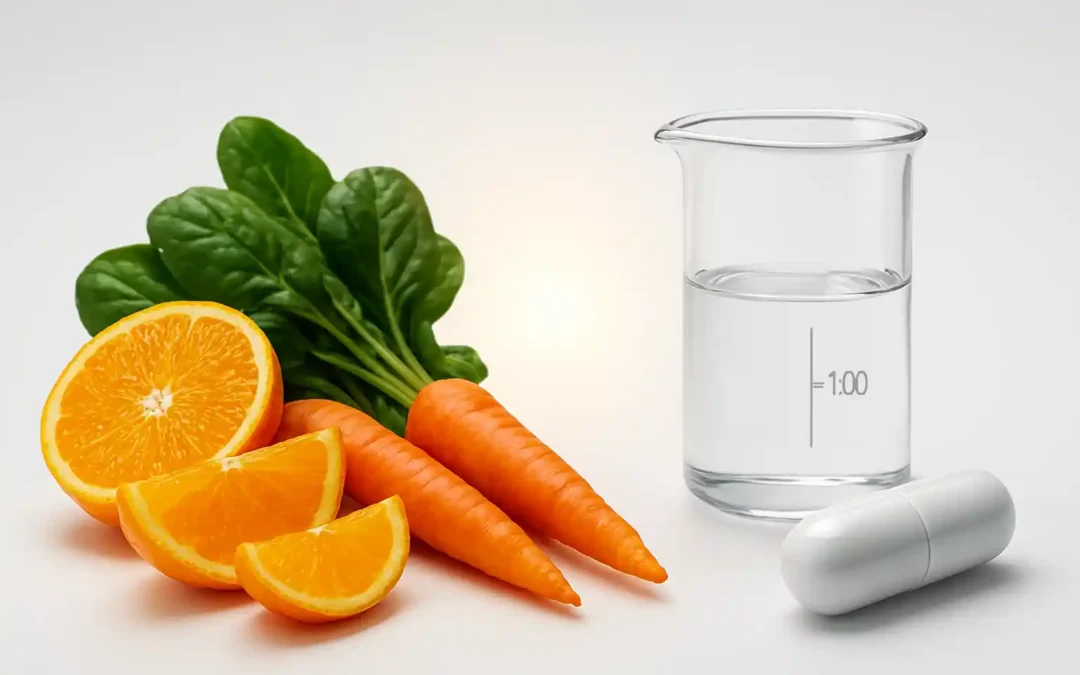
Understanding the Key Difference Between Vitamins and Nutraceuticals
When you walk down the health aisle of a pharmacy, the sheer variety of bottles can feel overwhelming. Many people often use the terms interchangeably, but understanding the difference between vitamins and nutraceuticals is essential for both consumers and industry professionals alike. While both categories aim to improve health, they occupy very different spaces in terms of biological function, chemical complexity, and regulatory oversight.
What Exactly Is a Vitamin?
To grasp the difference between vitamins and nutraceuticals, we must first define the basics. Vitamins are organic compounds that your body requires in small amounts to function properly. Since our bodies cannot produce most vitamins on their own, we must obtain them through diet or
They act as essential “spark plugs” for metabolic processes. For example, Vitamin C supports immune function, while Vitamin D is crucial for bone health. Because they are essential for life, a deficiency in any specific vitamin can lead to significant health issues.
Defining the World of Nutraceuticals
The term “nutraceutical” is a hybrid of “nutrition” and “pharmaceutical.” This is where the difference between vitamins and nutraceuticals becomes more pronounced. A nutraceutical is a food or part of a food that provides medical or health benefits, including the prevention and treatment of disease.
Unlike simple vitamins, nutraceuticals often include substances like:
- Probiotics: Live bacteria that support gut health.
- Herbal Extracts: Such as curcumin from turmeric or ginsenosides from ginseng.
- Enzymes: Proteins that speed up chemical reactions in the body.
- Fortified Foods: Cereals or beverages enriched with bioactive components.
The Core Difference Between Vitamins and Nutraceuticals
If we look at the difference between vitamins and nutraceuticals through a functional lens, we see that vitamins prevent deficiency, whereas nutraceuticals target specific therapeutic outcomes. Vitamins are the building blocks of daily health. In contrast, nutraceuticals often contain concentrated bioactive compounds intended to provide a medicinal effect beyond basic nutrition. Furthermore, the difference between vitamins and nutraceuticals involves their chemical source. A vitamin is a specific, isolated molecule (like ascorbic acid). A nutraceutical can be a complex matrix of many different compounds working together to achieve a physiological result.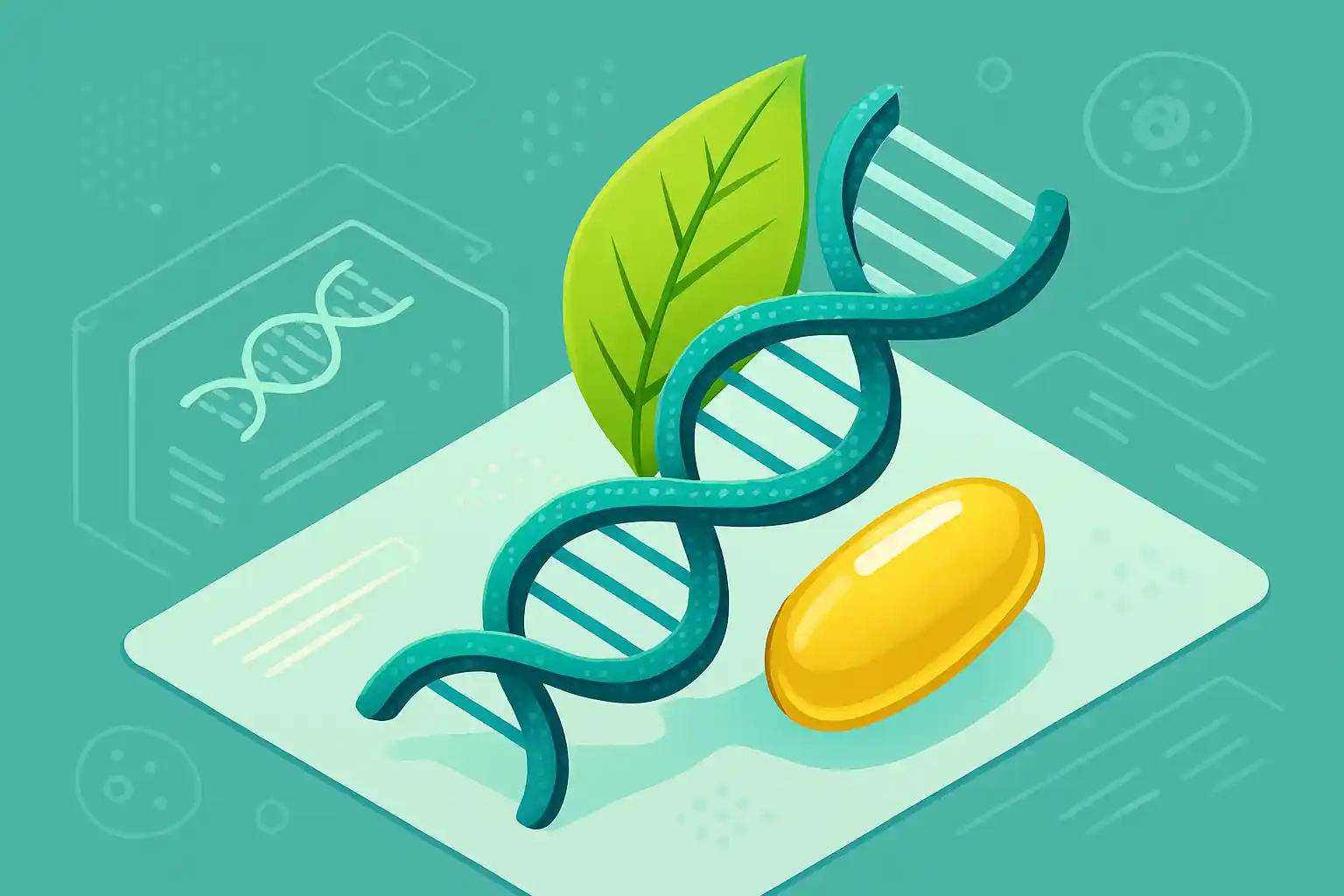
Applications and Global Market Importance
Understanding the difference between vitamins and nutraceuticals is vital for the global life sciences industry. As companies expand their reach, they must communicate these nuances to diverse audiences. Because the regulations for these products vary significantly from one country to another, precise documentation is mandatory.
Whether you are launching a new vitamin line or a complex nutraceutical formula, your technical data must be flawless. This is where professional expertise becomes your greatest asset.